Nourishing Hawke’s Bay was a collaborative initiative dedicated to improving the health, well-being, and food security of children and communities across the Hawke’s Bay region in New Zealand. Our projects focused on addressing the pressing issues of food insecurity, poor nutrition, and health inequities, particularly for Māori and other vulnerable groups. This extended to the modelling of Ka Ora Ka Ako, innovative impact evaluation, wide-ranging policy advocacy, and the mapping of the Hawke’s bay regional food eco-system with a view to a more sustainable future.
At the heart of our work was the integration of Mātauranga Māori (Māori knowledge) with modern systems-thinking approaches to create sustainable solutions. By partnering with schools, health professionals, and community organisations, we empowered tamariki (children), rangatahi (youth), whānau (families) and professionals with some tools and resources to live healthier lives.
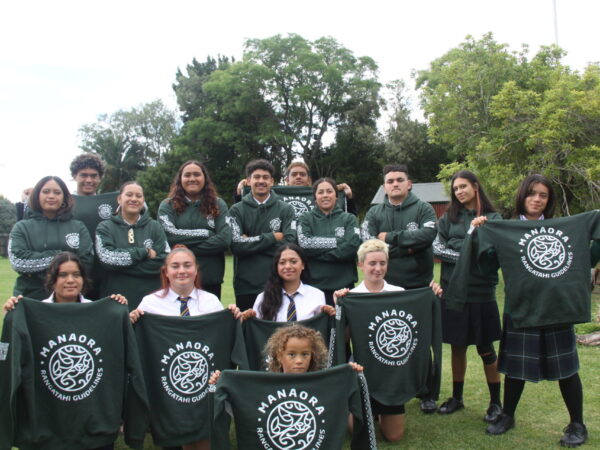
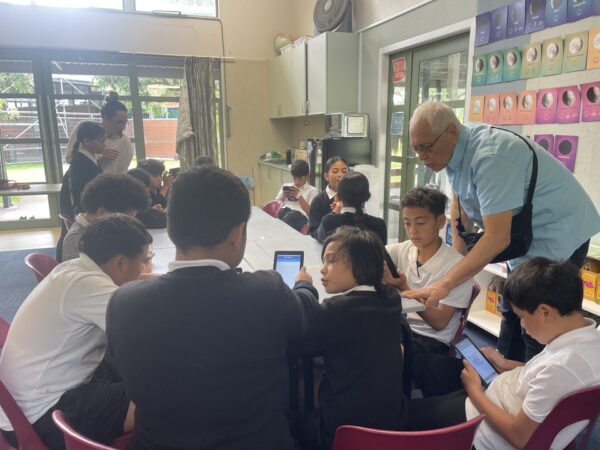
Some key achievements of Nourishing Hawke’s Bay include the evaluation of the Ka Ora, Ka Ako school lunch programme, a policy advocacy piece for government, and the development of the Manaora Rangatahi Guidelines, providing culturally relevant advice on eating and well-being for youth. We also worked with local schools to incorporate Māori values into food education, helping students connect with their culture and foster healthier eating habits.
Although the project has concluded, its findings continue to inform community-led health initiatives like He Kai Oranga, which supports Māori with chronic health conditions by reconnecting them with traditional food practices.
The legacy of Nourishing Hawke’s Bay lives on through its research, collaborations, and community impact, ensuring that future generations can thrive in a healthier, more equitable environment.




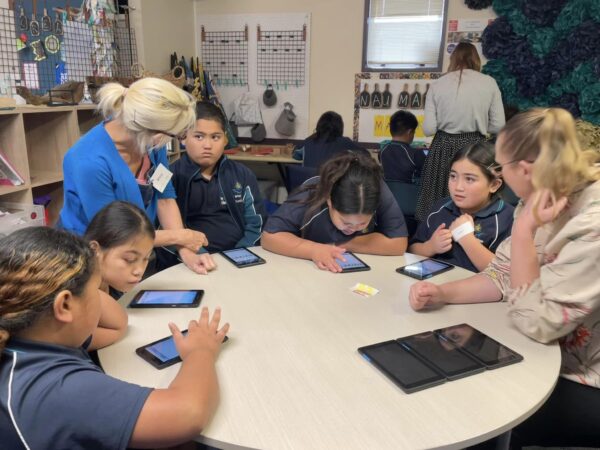
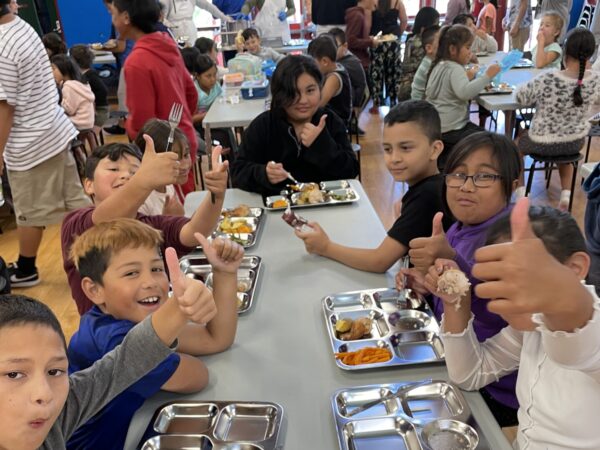
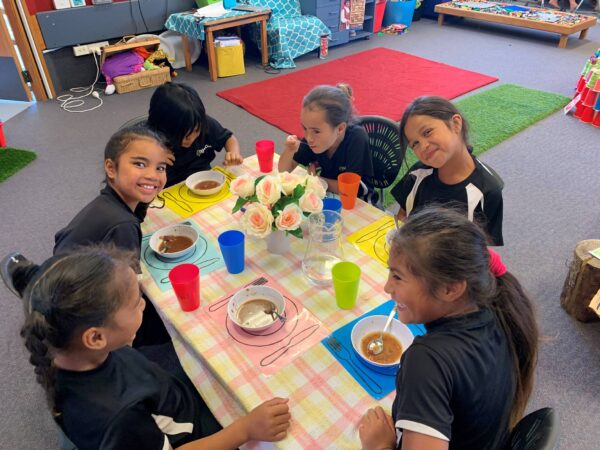
The Nourishing Hawke’s Bay research papers offer valuable insights into food security, health behaviours, and well-being within regional New Zealand, particularly focusing on the experiences of children and communities. Each paper delves into key areas such as the impact of school meal programmes, cultural knowledge integration, and public health initiatives aimed at addressing nutrition challenges. Explore the links below to read the full papers and discover how these findings contribute to enhancing food environments and overall well-being in Hawke’s Bay.
This paper evaluates the Ka Ora, Ka Ako school lunch programme demonstrating its delivery of value by improving food security, nutrition, wellbeing, and educational engagement for students. It highlights the programme’s wide social and economic benefits while warning that recent funding cuts risk undermining its effectiveness and long-term impact.
This paper presents a case study of Nourishing Hawke’s Bay, showing how systems thinking and mātauranga Māori can be combined to co-design community-led solutions to child food insecurity. It demonstrates how school lunch programmes can act as a platform for wider food system change, improving nutrition, wellbeing, and regional food resilience.
This paper demonstrates that student hunger has a large and measurable impact on learning, with food-insecure students falling up to four years behind their peers even after accounting for socio-economic status. It argues that reducing food poverty, including through programmes like free school lunches, is essential to improving educational outcomes and equity
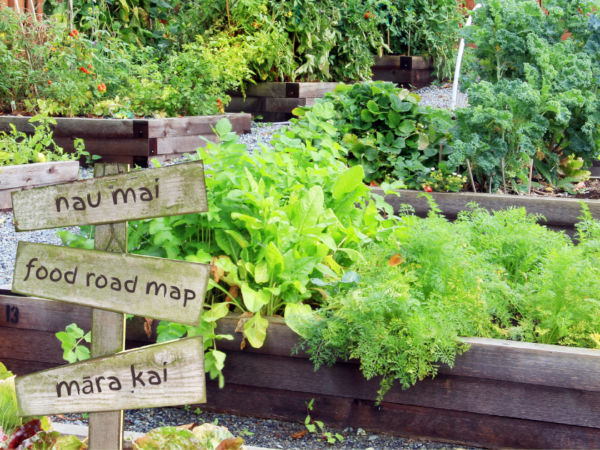
Food insecurity in Hawke’s Bay is not driven by lack of production but by weak community connection and poor local distribution. A sustainable system depends on strengthening iwi and community partnerships to build trust, alongside creating a locally controlled distribution network that keeps food within the region and reaches those who need it.
This study investigates the impact of New Zealand’s COVID-19 Level 4 lockdown on food security in deprived communities, focusing on the role of schools as support hubs. It highlights the effectiveness of school–whānau networks and suggests schools could serve as long-term food security hubs.
This research uses cognitive mapping and Indigenous knowledge to explore food environments and their influence on children’s health in regional New Zealand. It highlights factors shaping food access and the role of mātauranga Māori in solutions.
This study engages Māori and Pasifika communities in co-designing actions to improve children’s nutrition using systems thinking and Indigenous knowledge. It applies system dynamics to address socioeconomic and environmental influences on food choices.
This study focuses on the well-being of children in Hawke’s Bay, highlighting issues like food insecurity, dietary habits, and overall well-being. It provides baseline data to evaluate public health initiatives aimed at improving nutrition and food security.
This paper explores the synergy between Systems Thinking and Indigenous knowledge in addressing public health issues in Aotearoa, New Zealand.
This research analyses the nutrition policies and menus of Early Learning Services, identifying barriers to promoting healthy food and practices.
This study examines the role of food environments in shaping students’ dietary choices, focusing on school policies and practices. It highlights the impact of government-funded school lunch programmes and identifies barriers to improving school food environments.
This research highlights lunch providers’ perspectives on the New Zealand Free and Healthy School Lunch Programme, focusing on nutrition guidelines, supply chain resilience, and student feedback. It examines teacher and principal support to enhance programme effectiveness.
This evaluation of the Ka Ora Ka Ako programme highlights its impact on student nutrition, educational outcomes, and community engagement, while identifying areas for improvement. It examines its role in reducing food insecurity, promoting healthy eating, and supporting student well-being.
This study explores how traditional Māori knowledge and values around food are integrated into school programmes, focusing on sustainability and cultural connection. It examines how kai initiatives foster environmental awareness, strengthen whānau engagement, and support student well-being.
This study examines the positive effects of free school meals on food security, well-being, and equity, particularly for Māori communities. It highlights financial relief, improved nutrition, and the role of school and whānau engagement in fostering healthier eating habits and reducing food insecurity.
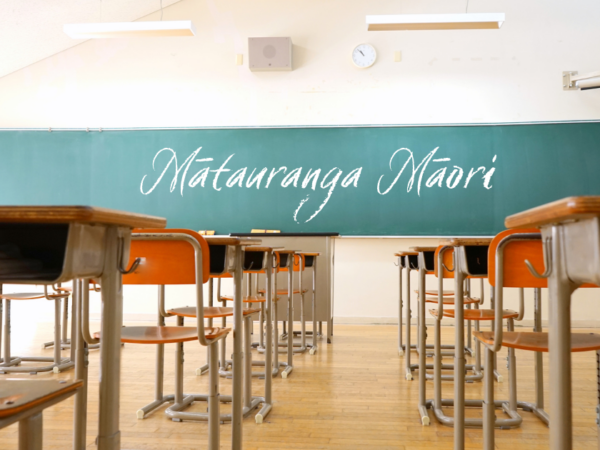
This research highlights the integration of Mātauranga Māori into the learning environments of five primary schools, emphasising the importance of blending Māori knowledge with Western educational practices.
This study explores how the Ka Ora Ka Ako programme supports education, sustainability, and health through the provision of free school lunches in New Zealand. It highlights impacts on food security, curriculum integration, and environmental sustainability.